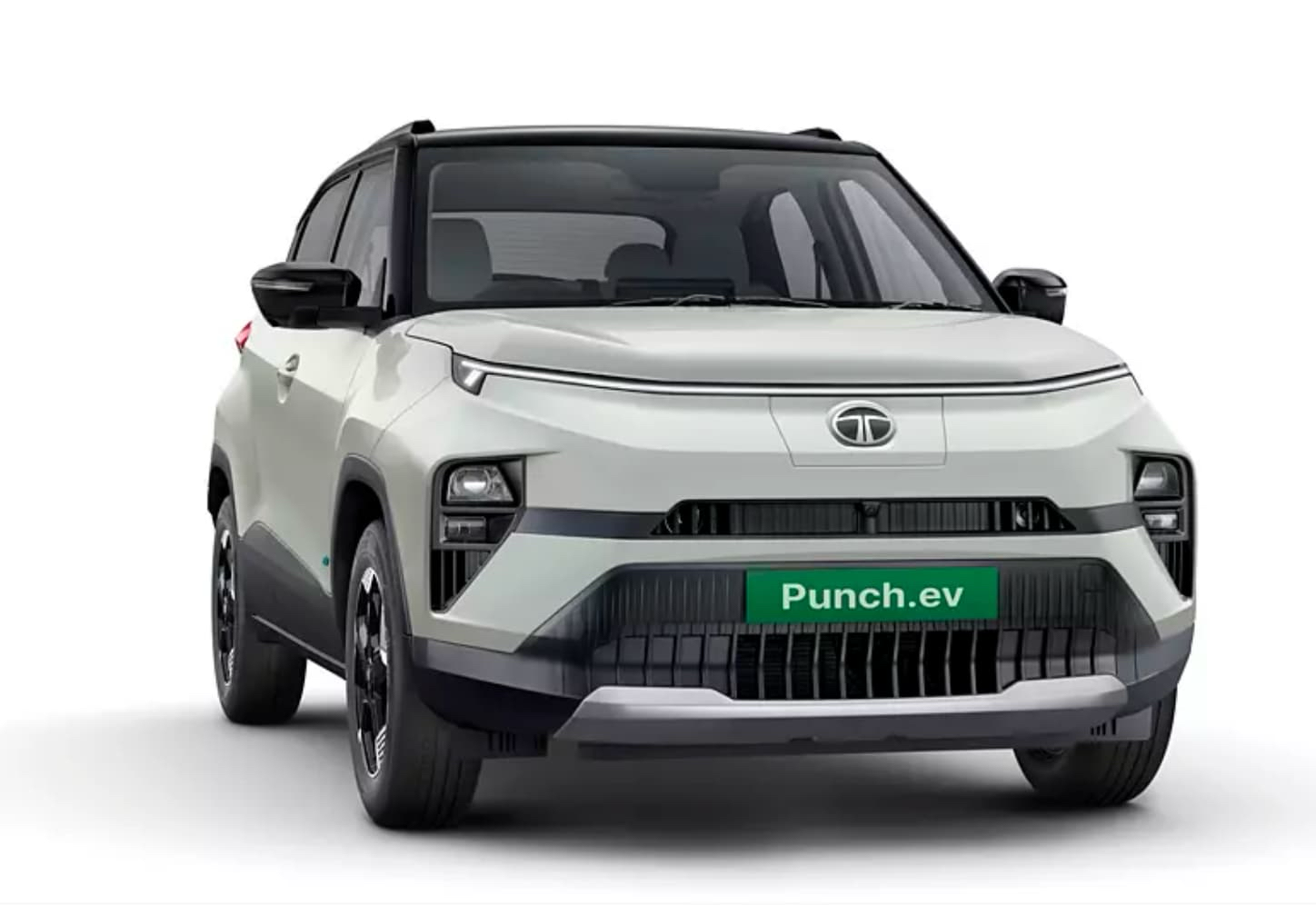
Tata Motors is preparing an aggressive strategy to speed up electric-vehicle adoption in India’s budget segment. The company is reportedly planning a more affordable version of the Punch EV that uses a battery-separate payment model, allowing buyers to pay less upfront and subscribe for the battery separately.
This approach aims to make EV ownership easier for middle-class buyers who want lower entry prices and predictable monthly costs.


What Is the New Low-Cost Punch EV Strategy?
Tata’s plan focuses on two major changes:
1. Lower upfront price
By separating the battery cost from the car price, the initial purchase amount drops significantly. Buyers would purchase the vehicle and pay a monthly subscription or usage-based fee for the battery.
2. Faster charging support
The new affordable Punch EV is expected to support fast charging, making it practical for daily city use and occasional highway travel.
This model is designed to reduce the biggest EV barrier: high initial cost.
How the Battery-Separate Model Works
Instead of buying the battery with the car:
- You buy the EV at a reduced price
- Pay monthly for battery usage
- Battery replacement/maintenance handled by company
- Lower risk of battery degradation cost
- Easier resale value
This “Battery-as-a-Service” (BaaS) system has already been tested by some EV brands globally and in India, but Tata bringing it to a mass-market car like Punch EV could make a bigger impact.
Why Tata Is Targeting Budget Buyers
Most Indian buyers in the ₹6–10 lakh segment still prefer petrol cars because:
- EV upfront cost is high
- Charging concerns exist
- Battery replacement fear
- EMI pressure
Tata’s new strategy tries to solve all four:
- Lower on-road price
- EMI closer to petrol cars
- Flexible monthly battery cost
- Reduced long-term risk
This could attract:
- First-time car buyers
- Office commuters
- Families upgrading from hatchbacks
- Ride-share users
Expected Punch EV Highlights
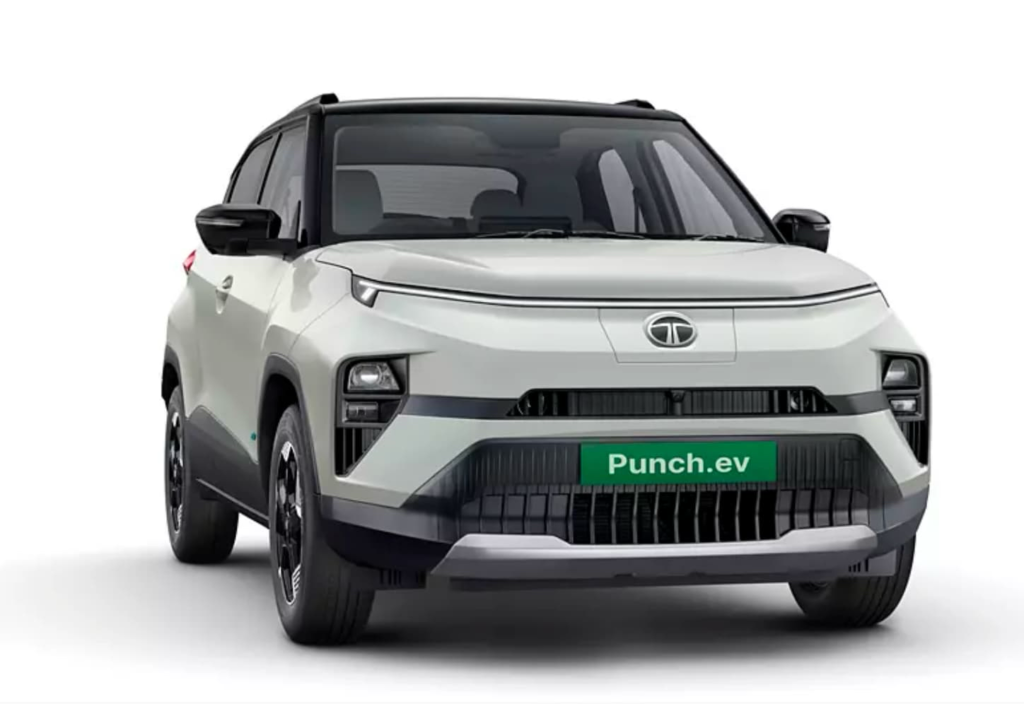
While official specs for this low-cost version are not confirmed, expectations include:
- Fast-charging support
- Practical city range (250–350 km estimate)
- Compact SUV design
- Smart infotainment and connectivity
- Tata safety focus
- Lower entry price than current Punch EV
The battery subscription model may allow multiple plans based on usage.
Impact on India’s EV Market
If launched aggressively, this strategy could:
- Make EVs accessible under tight budgets
- Compete directly with petrol hatchbacks
- Increase EV adoption in tier-2 and tier-3 cities
- Push other brands to adopt similar pricing models
- Strengthen Tata’s EV market lead in India
India’s EV market is still price-sensitive, and Tata appears to be targeting that gap directly.
Simple Takeaway
Tata Motors is not just launching another EV — it is trying to change how people pay for EVs.
A low-cost Punch EV with battery subscription could:
- Reduce entry price
- Lower monthly fuel cost
- Remove battery worries
- Make EV ownership easier for middle-class buyers
If priced correctly, this strategy could become one of the biggest steps toward mass EV adoption in India.